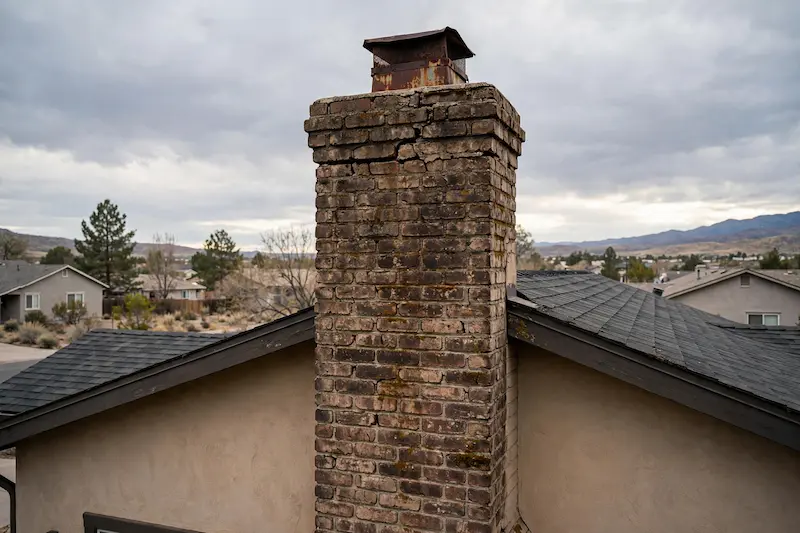
Most homeowners don’t think about their chimney until something goes wrong — a smell of smoke that shouldn’t be there, a water stain on the ceiling, or a strange draft coming from the fireplace. The problem is, by the time these signs show up, the issue has often been building for a while.
Here are the most common chimney problems homeowners in Reno, Sparks, and Carson City run into, what causes them, and how to tell if it’s time to call a professional.
1. Creosote Buildup
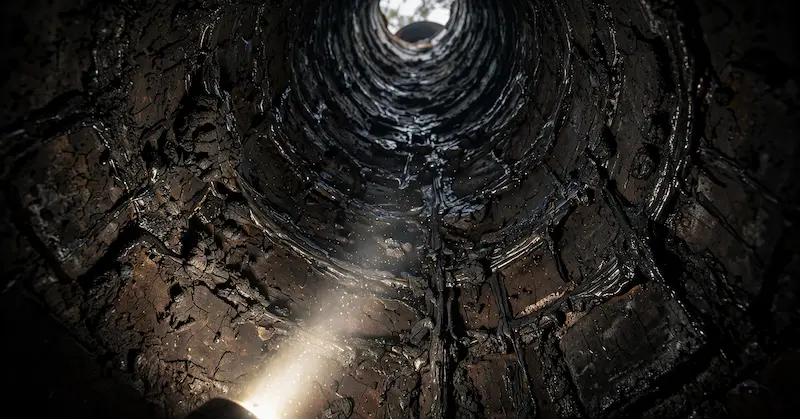
Every time you burn wood, creosote — a dark, tar-like residue — collects inside your flue. A little buildup is normal. Left unchecked, it becomes a serious fire hazard.
Signs to watch for:
- Strong, sooty smell from the fireplace, especially in humid weather
- Visible black, flaky residue when you look up the flue
- Reduced draft or smoky fires
What to do: Annual chimney sweeping removes creosote before it becomes dangerous. This is the single most preventable chimney problem on this list.
2. Cracked or Damaged Chimney Crown
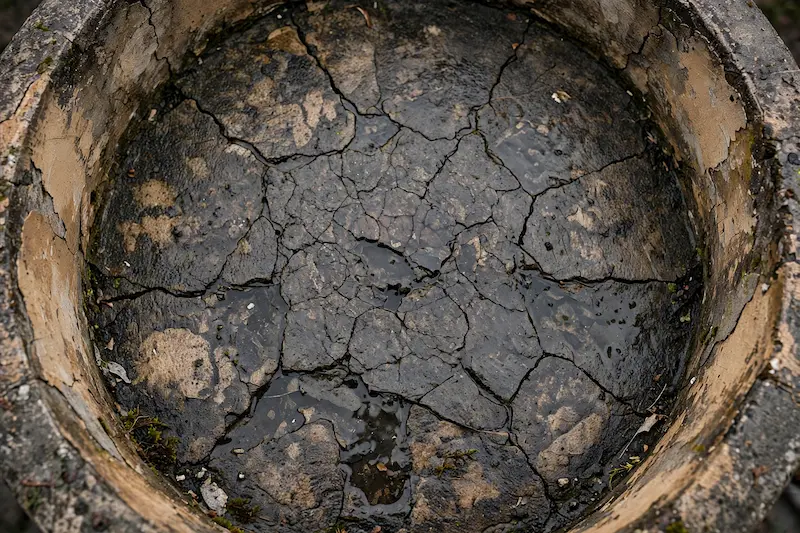
The crown is the concrete slab on top of your chimney that keeps water out. Nevada’s freeze-thaw cycles cause it to crack over time, letting water seep into the chimney structure.
Signs to watch for:
- Visible cracks on top of the chimney
- Water stains on interior walls near the chimney
- Crumbling brick or mortar just below the crown
What to do: Small cracks can often be sealed. Larger damage needs a full crown repair before winter, when water can freeze inside the cracks and make them worse.
3. Damaged or Missing Chimney Cap
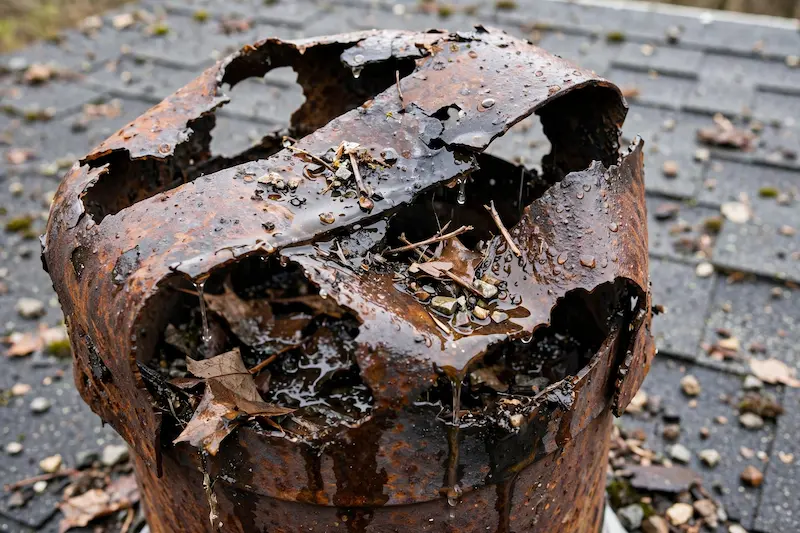
The cap sits above the crown and keeps rain, snow, and animals out of the flue. A missing or rusted-out cap is one of the most common — and most avoidable — chimney issues.
Signs to watch for:
- Water dripping down the flue during rain
- Animal noises (nesting birds, squirrels) inside the chimney
- Visible rust or a missing cap altogether
What to do: Cap replacement is usually quick and inexpensive compared to the water damage it prevents.
4. Water Leaks and Moisture Damage
Water is the number one cause of chimney deterioration. It doesn’t just come from a damaged crown or cap — it can also come from flashing (the metal seal where the chimney meets the roof) failing over time.
Signs to watch for:
- Musty smell near the fireplace
- Rust on the damper or firebox
- Stains on the ceiling or wall near the chimney
What to do: Left alone, water damage leads to cracked masonry, rusted metal components, and even structural issues. This is one problem that gets significantly more expensive the longer it’s ignored.
5. Spalling Brick and Mortar Damage
Spalling happens when moisture inside the brick freezes, expands, and causes the brick face to flake, pop, or crumble.
Signs to watch for:
- Bits of brick or mortar in your yard or on the roof
- Visible flaking or pitting on the chimney’s exterior
- Gaps in the mortar joints
What to do: Left unaddressed, spalling weakens the entire chimney structure. Depending on severity, this may require repair or a full rebuild.
6. Blockages from Animal Nests or Debris
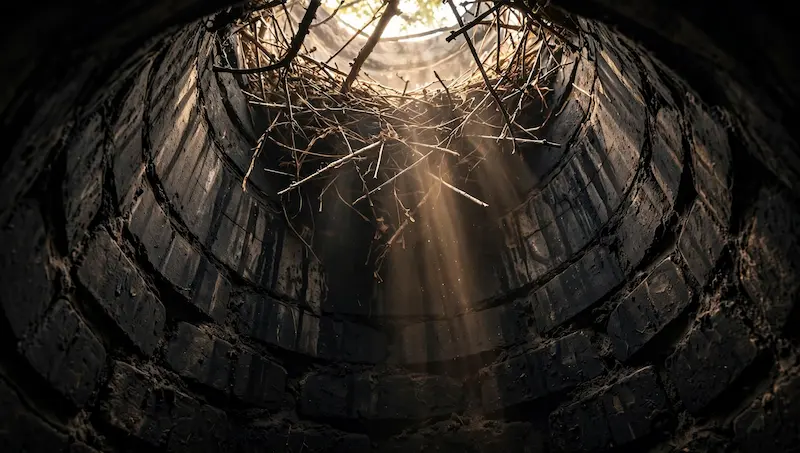
An uncapped or damaged chimney is an open invitation for birds, squirrels, and raccoons looking for shelter. Nests block airflow and are a fire risk.
Signs to watch for:
- Scratching or chirping sounds
- Smoke not drafting properly when you light a fire
- Visible debris in the firebox
What to do: Never try to remove an animal or nest yourself. A professional inspection safely clears blockages and installs a cap to prevent it from happening again.
7. Smoke Coming Back Into the House
If smoke is drifting into your living room instead of going up the chimney, something is interfering with the draft — often a blockage, a damaged flue, or pressure issues in the home.
Signs to watch for:
- Smoky smell inside the house when using the fireplace
- Visible smoke entering the room instead of rising
- Fires that struggle to stay lit
What to do: This is uncomfortable and can also be a carbon monoxide risk. It needs a proper inspection, not guesswork.
Why These Problems Get Worse If Ignored
Chimney issues rarely stay small. A hairline crack in the crown becomes a full water intrusion problem after one winter. A missing cap becomes a nest, which becomes a blocked flue. Catching these problems early is almost always cheaper — and safer — than waiting.
Frequently Asked Questions
How do I know if my chimney needs repair or just cleaning?
If you’re seeing cracks, water stains, or crumbling brick, that’s a repair issue. If it’s just soot and smell buildup from regular use, that’s usually a cleaning issue. An inspection can tell you which one you’re dealing with.
Can I fix a small chimney crack myself?
Small hairline cracks are sometimes sealed with masonry sealant, but it’s easy to miss underlying damage. A professional inspection is the safer first step before doing any DIY repair.
How often should I get my chimney inspected?
Once a year, ideally before the colder months when you’ll be using your fireplace most.
Is a leaning or shifting chimney dangerous?
Yes. A leaning chimney usually signals foundation or structural issues and should be inspected right away — this isn’t a wait-and-see problem.
What’s the cost difference between repair and rebuild?
Repairs (crown sealing, cap replacement, mortar patching) are generally a few hundred dollars. A full rebuild, needed for serious structural damage, costs significantly more. Catching problems early keeps you in repair territory.
Notice One of These Problems? Get It Checked Before It Gets Worse
Whether it’s a cracked crown, a missing cap, or smoke that shouldn’t be there — Chimney Cleaning Reno connects homeowners across Reno, Sparks, and Carson City with licensed, CSIA-trained professionals who can diagnose the issue and fix it right.
Call now: 877-834-2380