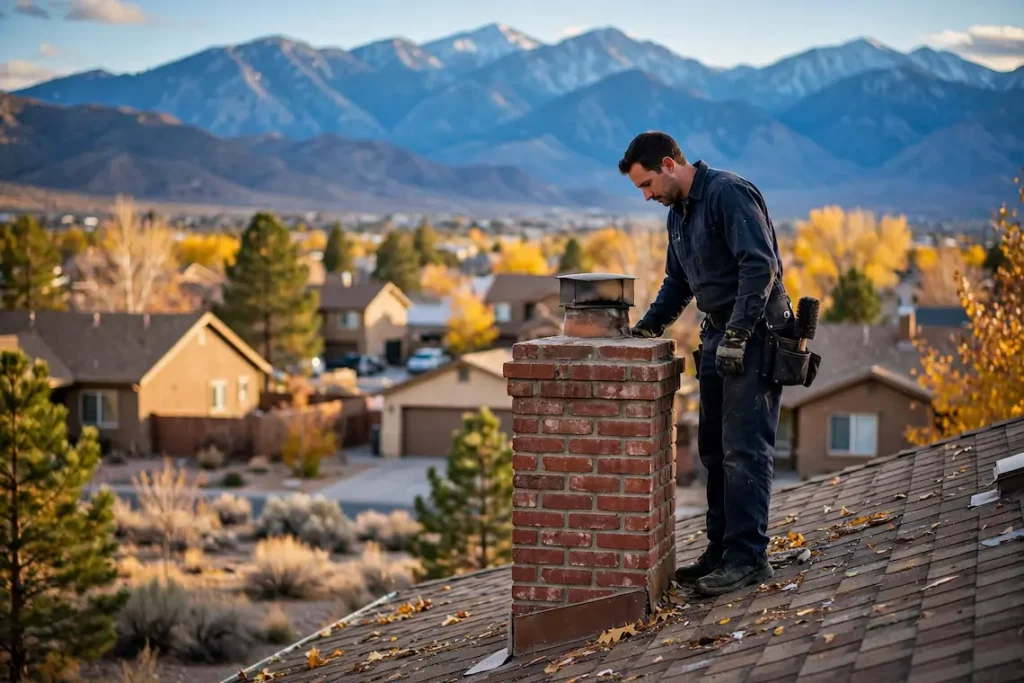
If you own a wood-burning fireplace or stove in Reno, the best time to schedule chimney cleaning is late spring through summer — ideally April through August. This is before Washoe County’s winter burn season starts and before local chimney sweep companies get booked solid for fall. Wait until October or November, and you’re facing longer wait times, higher demand, and less room to fix a problem before your first fire of the season. This guide breaks down why timing works differently in Reno than in most other cities, what happens if you put it off, and exactly when to call.
Quick Answer: The Best Time to Clean Your Chimney in Reno
Here’s the short version, if you only read one section:
- Best window: April through August. Sweeps have open calendars, pricing is lowest, and there’s time to fix anything before winter.
- Still fine: September and early October. This is the last safe stretch before the rush and before burn season starts.
- Avoid if you can: November through February. Calendars fill fast, and snow or ice on the roof can delay or cancel appointments.
- Already dealing with a burning smell or smoke backup this winter? Don’t wait for “the right season” — call now. That’s a safety issue, not a maintenance one.
Why Timing Matters More in Reno Than in Other Cities
Most articles on this topic talk about “spring vs. fall” in general terms. Reno homeowners have two extra factors that make timing more urgent.
Washoe County’s Burn Code Season Runs November 1 to February 28
Every winter, Northern Nevada Public Health runs a daily green, yellow, red burn code for wood-burning fireplaces and stoves across Washoe County. Wood smoke makes up roughly 40% of wintertime fine particulate pollution in the Truckee Meadows, so on yellow days burning is discouraged, and on red days it’s banned outright, apart from homes where wood heat is the primary source. This program runs November 1 through the end of February — the exact months you most want a clean, properly drafting chimney. Getting your inspection and cleaning done before November 1 means you’re ready to burn on every green day, instead of finding out in December that your flue needs work.
Reno’s Winter Weather Shortens the Working Window
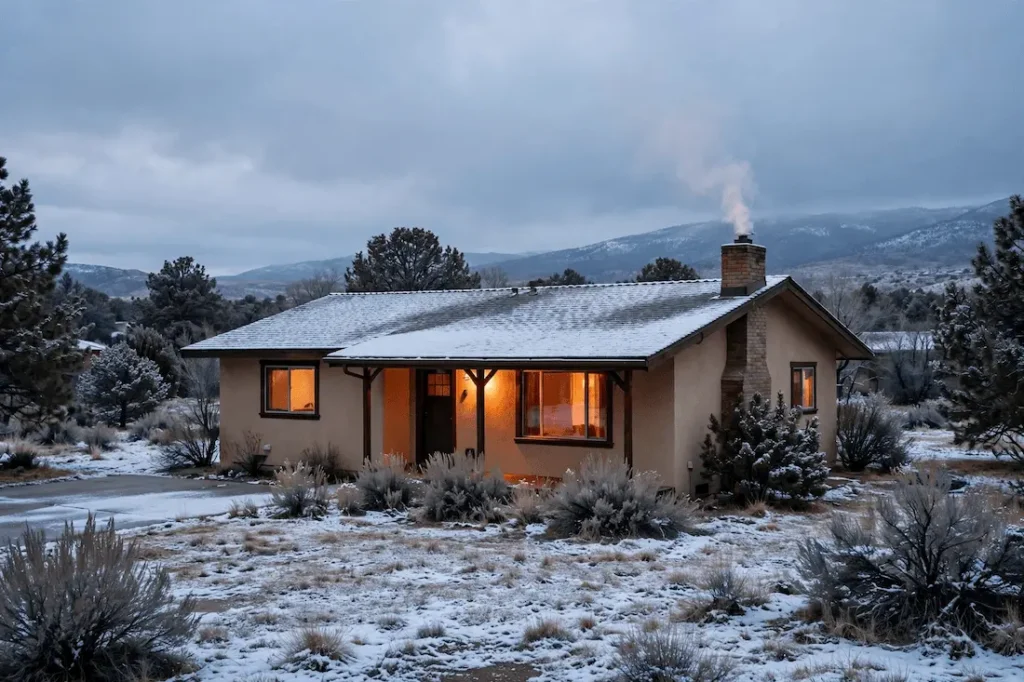
Reno sits around 4,500 feet at the base of the Sierra Nevada, and winter arrives fast. The average date of the season’s first snowfall is November 8, and by December and January, daytime highs typically run in the high 30s to low 40s°F, with overnight lows in the mid-20s. Chimney sweeps do most of their work on the roof and up the flue — snow, ice, and freezing temperatures make that slower, sometimes unsafe, and often reason enough to reschedule. Booking early keeps your appointment out of the hands of the first cold snap.
Season-by-Season Breakdown for Reno Homeowners
Spring (March–May): Best Time for a Full Inspection
Spring is when small problems left over from winter — a cracked crown, loose flashing, animal nests, water damage — are easiest to spot and cheapest to fix. Scheduling a full inspection now gives you months of lead time if a repair specialist needs to get involved, instead of discovering the issue in October with weeks to spare.
Summer (June–August): Best Time to Book, Lowest Rates
Summer is chimney sweeping’s off-season nationwide, and Reno is no exception. Few homeowners are thinking about fireplaces in July, so companies have open calendars, faster response times, and often lower prices than during the fall rush. If you want the widest choice of appointment times and the best rate, this is the window.
Early Fall (September–October): Your Last Safe Window
By September, chimney companies start filling up as homeowners realize winter is coming. You can still get a good appointment in early fall, but aim to book by mid-October at the latest — that gives your technician time to finish cleaning or repairs before burn season starts November 1 and before the average first snowfall in early-to-mid November.
Winter (November–February): Emergency Service Only
Once burn code season and snow season overlap, chimney cleaning turns into a reactive service rather than a planned one. If you’re already burning and notice a burning smell, poor draft, or smoke backing into the room, don’t wait for spring — call for service right away. But if your chimney is working fine, winter isn’t the season for routine maintenance; put it at the top of your list for next spring instead.
What Happens If You Wait Too Long
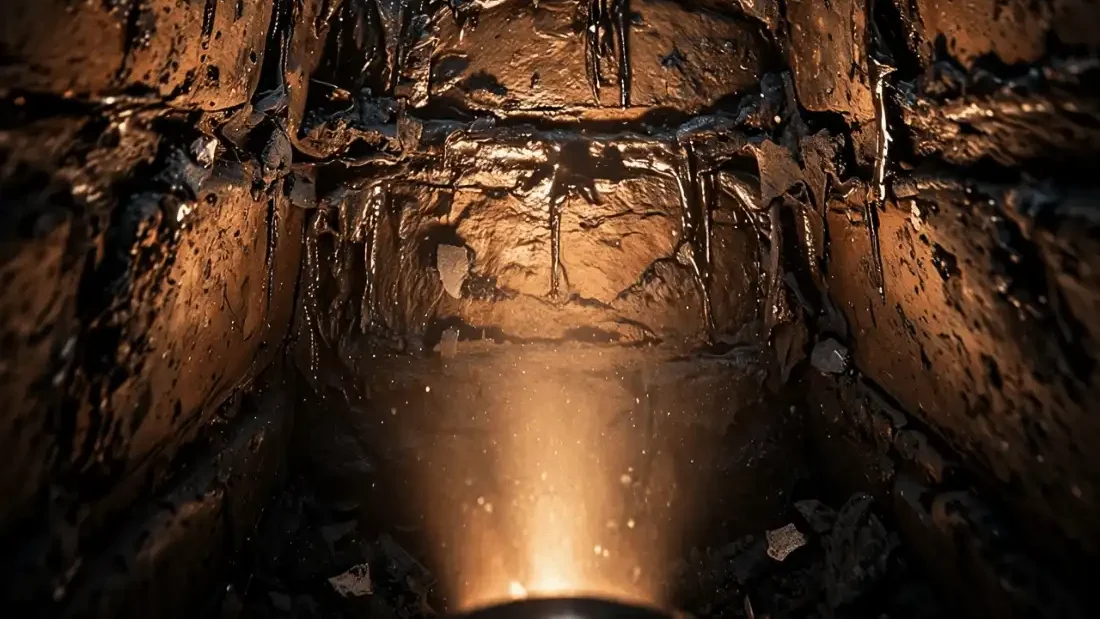
- Creosote keeps building. The Chimney Safety Institute of America treats 1/8 inch of creosote as the point where cleaning is needed, and glazed creosote is a fire risk at any thickness. The longer it sits, the higher that risk climbs.
- You’re competing with every other homeowner for the same slots. October and November are the busiest months for every chimney company in the Reno-Sparks area. Same-week appointments get harder to find the closer you get to the first cold snap.
- Weather can cancel your appointment. Snow, ice, or high wind on the scheduled day may force a reschedule, pushing you further into burn season with an unclean or uninspected chimney.
- A failed inspection right before winter leaves you stuck. If a technician finds a needed repair in November, you could be without fireplace use for weeks while parts or a mason’s schedule catch up — right when you need the heat most.
How Often Chimney Cleaning Is Actually Needed
NFPA 211, the national fire code for chimneys and vents, calls for an inspection at least once a year — even if you barely use your fireplace. Creosote, animal nests, and structural damage can build up regardless of how often you light a fire. Whether that inspection turns into a full cleaning depends on what’s found:
- Heavy wood burners (several fires a week) may need a full sweep every season.
- Occasional users (a handful of fires a winter) may go a year or two between full cleanings, but should still get the annual inspection.
- Gas fireplace and insert owners need annual inspections too. Gas produces less soot, but blocked vents and animal nests are just as common.
Signs Your Reno Chimney Needs Cleaning Right Now, Regardless of Season
Some warning signs shouldn’t wait for “the right season” at all:
- A campfire-like smell from the fireplace, even when it’s not in use
- Smoke backing into the room instead of drawing up the flue
- Visible soot or flaky black buildup inside the firebox
- Scratching, chirping, or rustling sounds — a sign of animal nesting
- More than 12 months since your last inspection
If any of these apply, call now instead of waiting for spring or summer.
How to Schedule Your Chimney Cleaning in Reno

Chimney Cleaning Reno NV provides chimney inspections and cleanings across Reno, Sparks, and the greater Truckee Meadows area, following CSIA and NFPA 211 standards. Booking early — ideally in spring or summer — gets you the widest choice of appointment times and leaves room to handle any repair before burn season starts. Call 877-834-2380 or fill out our contact form to get on the schedule before the fall rush begins.
FAQs
What is the cheapest time of year to get a chimney swept in Reno?
Late spring and summer, roughly April through August, is typically the least expensive stretch. Demand is low, so most Reno chimney companies hold steady pricing and have more room to bundle inspection and cleaning together.
Can I still get my chimney cleaned in winter in Reno?
Yes, but expect longer wait times and possible weather-related rescheduling. If you have an active safety issue — burning smell, smoke backup, or visible damage — that should still be handled right away. It’s routine, non-urgent cleaning that’s better scheduled ahead of time.
How does Washoe County’s burn code affect my chimney cleaning schedule?
The burn code program runs November 1 through February 28 and can restrict or ban wood burning on poor air quality days. It doesn’t change whether you’re allowed to get your chimney cleaned, but it’s a strong reason to have your fireplace ready before the season starts, so you can burn on every day it’s allowed.
How much creosote buildup is dangerous?
The Chimney Safety Institute of America treats 1/8 inch of creosote as the threshold for needing a cleaning. Glazed, tar-like creosote is considered dangerous at any thickness.
Do gas fireplaces need chimney cleaning too?
Yes. Gas produces less soot than wood, but the venting system still needs an annual check for blockages, corrosion, and animal nests.
How far in advance should I book before winter?
Aim to have cleaning and inspection finished by mid-October. That leaves time for any repairs before Washoe County’s burn code season and Reno’s average first snowfall, both of which typically land in early November.