Reno homes need chimney cleaning before winter because the burning season here starts suddenly, and any creosote left over from last year turns into a fire risk the moment the first cold snap hits. Unlike cities with milder falls, Reno can swing from warm afternoons to freezing nights within a single week. That fast transition means homeowners often light their first fire of the season without warning, and if the chimney was never cleaned, that first fire is the most dangerous one of the year.
This article breaks down exactly why that matters, what happens inside an uncleaned chimney, and how Reno’s specific climate makes this task more urgent than it is in most other parts of the country.
Why Timing Matters More in Reno Than Other Cities
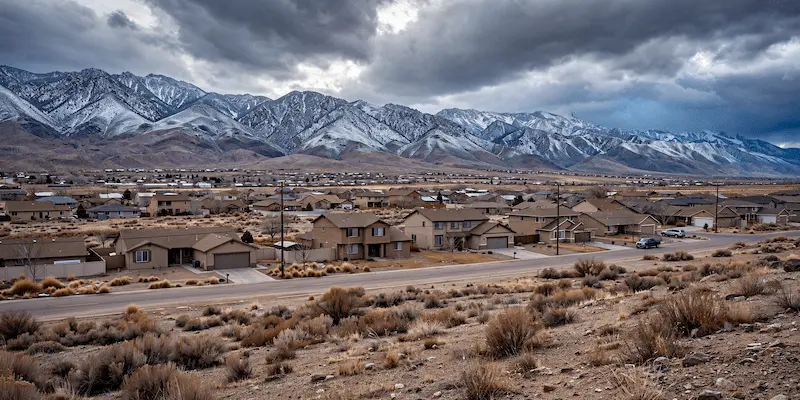
Reno sits at high elevation on the edge of the Sierra Nevada, which means temperature swings happen faster and harder than in lower, more humid regions. A 70 degree afternoon in October can turn into a 28 degree night by December, and many households react to that first cold night by lighting the fireplace immediately, often without thinking about maintenance at all.
In cities with longer, more gradual falls, homeowners get weeks of warning to schedule chimney service. In Reno, that window is shorter. Waiting until the cold actually arrives usually means waiting until every chimney sweep in Washoe County is already booked for the season.
What Happens Inside a Chimney That Never Gets Cleaned
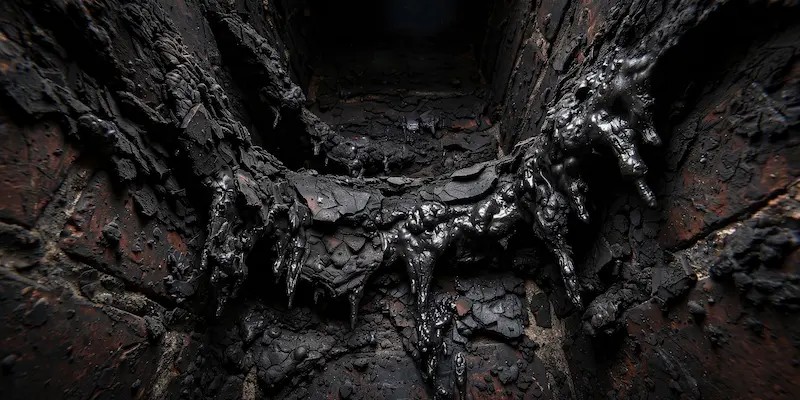
Every time wood burns, it releases smoke that carries unburned particles up through the flue. As that smoke cools against the interior walls of the chimney, it leaves behind a residue called creosote. Over one season of regular use, this residue can build up thick enough to fully coat the inside of the flue.
Creosote is not just dirt. It is a flammable byproduct, and in some conditions it is one of the most flammable materials found in a residential home. A chimney that looks fine from the outside can be hiding a serious hazard on the inside, and there is no way to know how much has built up without a proper inspection.
The Creosote Problem and Why It Turns Dangerous Fast
Creosote builds up in layers, and each layer changes how dangerous it is. A light, flaky layer is low risk. A thick, tar like layer that has hardened over multiple burns is a different story entirely. Once creosote reaches that stage, a single spark or an unusually hot fire can be enough to ignite it inside the flue.
A chimney fire does not always look dramatic from inside the house. Many chimney fires happen quietly, cracking masonry, damaging the flue liner, and creating hidden risks that only show up months later. Homeowners often assume nothing happened because they never saw flames, when in reality the damage was happening out of sight.
Reno’s Dry Climate and Wildfire Season Add Extra Risk
Northern Nevada’s air is unusually dry compared to most of the country, and dry air affects how wood burns and how creosote forms. Wood that seems fully seasoned in a humid climate may still carry more moisture than expected once it reaches a Reno backyard, and burning wetter wood produces more smoke and faster creosote buildup.
On top of that, wildfire season in the region has extended later into the year in recent seasons, which means embers, ash, and airborne debris can settle into an open or poorly capped chimney before winter even begins. A clean, well sealed chimney reduces the chance of that debris adding to existing buildup.
Structural Damage You Cannot See From the Ground
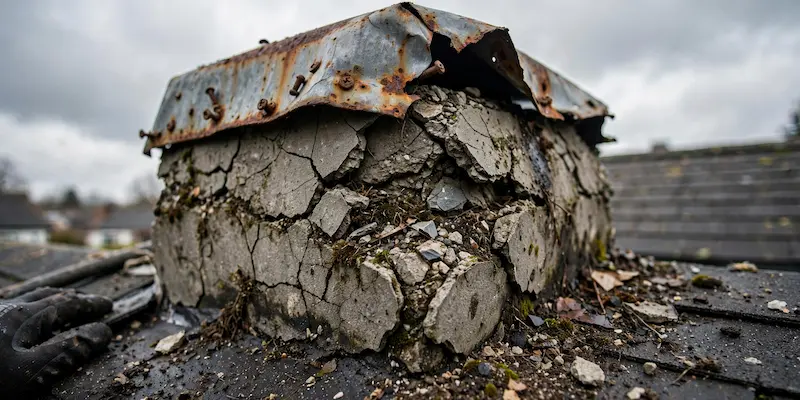
A cleaning is not only about removing creosote. It is also the point where a technician inspects the chimney crown, the cap, the flashing, and the flue liner for cracks or wear. Reno’s freeze and thaw cycle, where temperatures cross the freezing point repeatedly through the cooler months, is especially hard on masonry. Water gets into small cracks, freezes, expands, and makes the crack bigger. This cycle repeats every time the temperature swings, and it happens more often here than in climates with one long, steady winter.
A homeowner standing in the yard will not see hairline cracks in a chimney crown thirty feet up. A trained technician will.
Carbon Monoxide Risk in a Sealed Winter Home
Reno winters push most homeowners to seal up their homes tightly to keep heat in, which is smart for energy efficiency but reduces natural airflow. If a chimney is partially blocked by creosote, debris, or even a bird’s nest from the previous spring, smoke and carbon monoxide have a harder time escaping the way they are supposed to. In a tightly sealed home, that gas has fewer places to go.
Carbon monoxide has no smell and no color, which is exactly why a blocked chimney is dangerous in a way that is easy to underestimate.
Why Waiting Until the First Cold Snap Backfires
Every year, the same pattern repeats. Temperatures drop suddenly, everyone remembers their fireplace at the same time, and chimney sweep companies across Reno and Sparks fill their schedules within days. Homeowners who wait end up choosing between using an unclean chimney anyway or going without heat until an appointment opens up.
Scheduling before the season starts avoids that entirely. It also usually costs less, since demand and pricing tend to rise once the cold weather actually forces everyone’s hand at once.
What a Professional Chimney Cleaning in Reno Actually Checks
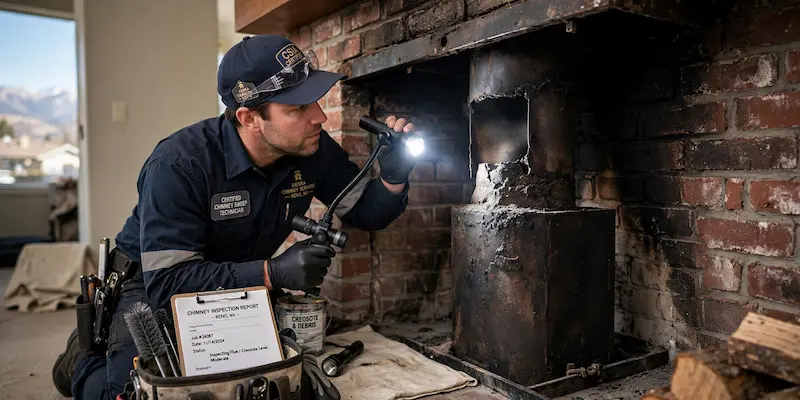
A proper appointment covers more than brushing out soot. A certified technician typically checks:
- Creosote thickness and buildup level throughout the flue
- The condition of the chimney cap and spark arrestor
- Cracks or gaps in the chimney crown
- Flue liner condition
- Signs of animal nests or blockages
- Flashing around the roofline for leaks
Look for technicians certified through the Chimney Safety Institute of America, since that certification reflects a standard of training that goes beyond a basic sweep and brush job.
How to Know Your Chimney Is Overdue
A few signs point to a chimney that has gone too long without service. A strong smoky smell even when no fire is burning, dark soot near the fireplace opening, smoke drifting into the room instead of up the flue, or visible debris at the base of the chimney are all signals that cleaning is overdue rather than optional.
If it has been more than a year since the last cleaning, or if the home was recently purchased and the chimney history is unknown, that is reason enough to schedule an inspection before the first fire of the season.
Frequently Asked Questions
How often should a Reno homeowner clean their chimney?
Most homes with regular fireplace use need a cleaning once a year, ideally before the first fire of the winter season.
Can I use my fireplace if I am not sure when it was last cleaned?
It is safer to have it inspected first. Creosote buildup is not something that can be judged accurately just by looking from the fireplace opening.
Does Reno’s dry climate really make a difference for chimney maintenance?
Yes. Dry air affects how wood burns and how quickly creosote forms, and the region’s freeze and thaw temperature swings put extra strain on chimney masonry compared to milder climates.
Is chimney cleaning only necessary for wood burning fireplaces?
No. Gas fireplaces, pellet stoves, and wood stoves all vent through a chimney system and benefit from a yearly inspection, even though the buildup process is different for each fuel type.
If your chimney has not been checked recently, getting it done before the season’s first cold night is the difference between a quick, affordable appointment now and a rushed, higher risk situation once winter actually arrives in Reno.